
Last Updated: November 17, 2026
Quick Summary
A public adjuster is a licensed professional who works for the policyholder rather than the insurance company, inspecting property damage, documenting the loss and negotiating the settlement. They are commonly paid a percentage of the claim payment, so their pay rises with the amount recovered.
- Public adjusters are commonly paid a percentage of the claim payment, so the owner may pay nothing up front.
- Confirm in writing whether the fee applies to the gross settlement, the net payment after the deductible, or amounts recovered above the insurer’s offer.
- Ask whether the fee also applies to recoverable depreciation paid after repairs are complete.
- Verify a Nevada public adjuster’s license is active through the Nevada Division of Insurance license lookup before signing.
- Be cautious of adjusters who ask for upfront fees, promise a settlement amount before inspecting, or pressure you to sign immediately.
Table of Contents
- What a Public Adjuster Does for Property Damage Claims
- How Public Adjusters Differ from Insurer-Employed Adjusters
- Public Adjuster Pros and Cons for Property Owners
- Public Adjuster Cost and How Fees Are Calculated
- Should You Hire a Public Adjuster for a Roof Claim?
- When Is It Too Late to Hire a Public Adjuster?
- Verifying a Nevada Public Adjuster and Your Next Step
- Frequently Asked Questions
What a Public Adjuster Does for Property Damage Claims
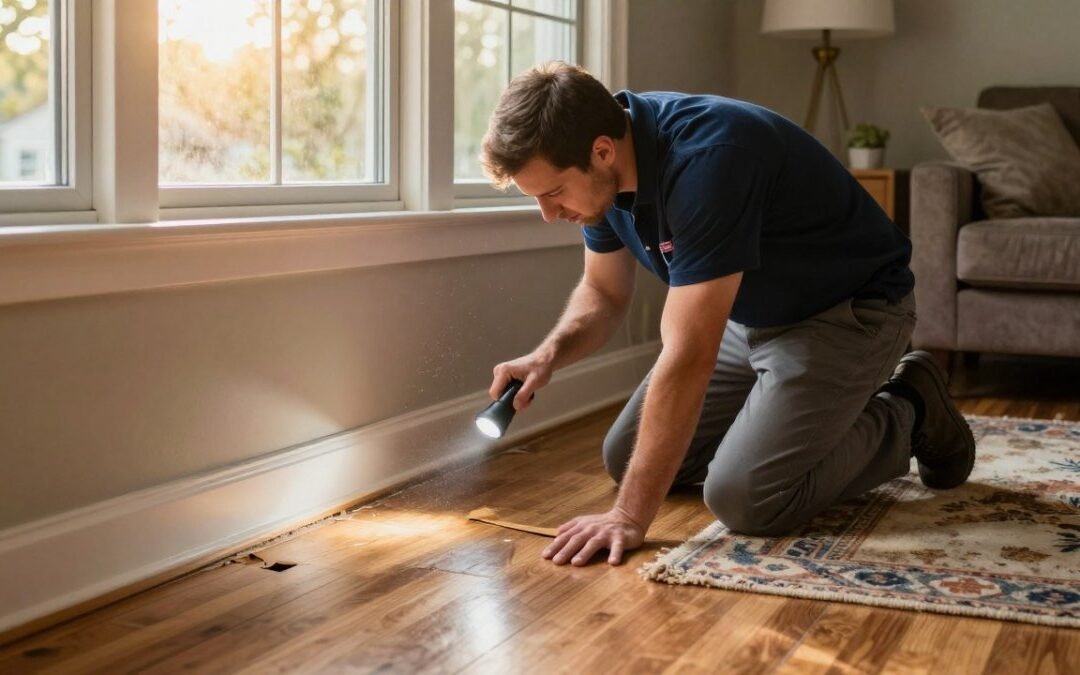
A public adjuster is a licensed professional who works for the policyholder, not the insurance company. When a home or rental property is damaged by fire, wind, water or another covered event, the public adjuster inspects the loss, documents the damage and negotiates the settlement on the owner’s behalf. Public adjusters are commonly paid a percentage of the claim payment, a structure that aligns their pay with the amount recovered.
The work usually starts with a review of the policy to confirm what is covered. For a clear picture of the claim process for water damage, see how to file a water damage claim. Next comes a detailed inspection of the loss site, with photographs, measurements and repair estimates that support the claim. Learn how to build that evidence yourself in documenting property damage for a claim. Policyholders represented by public adjusters generally received higher claim payments than those who handled claims on their own, according to a recent Hillis newsletter on public adjuster outcomes.
For property owners working with United Family Insurance, understanding this role is the first step. A public adjuster does not replace the insurer’s process, but they handle the paperwork, deadlines and back-and-forth so the owner can focus on repairs and daily life. To see how to file a claim promptly and correctly yourself, read step-by-step claim filing.
How Public Adjusters Differ from Insurer-Employed Adjusters
Insurer-employed adjusters work for the insurance company. Their job is to evaluate the claim on the carrier’s behalf and control the cost of the settlement. A public adjuster works for the policyholder, and the two roles often pull in opposite directions.
The difference matters most when the damage is extensive or the offer seems low. Hudson Douglas Public Adjusters, for example, describes its work as uncovering hidden damage and challenging lowball offers, which is a core purpose of the role, according to its Hudson Douglas Public Adjusters blog.
Employment of claims adjusters is projected to decline 6% from 2025 to 2035, according to the U.S. Bureau of Labor Statistics outlook for claims adjusters. That trend does not change who the adjuster represents, so the choice between the two is still about whose interests the professional serves.
Public Adjuster Pros and Cons for Property Owners
The main advantage is advocacy. A public adjuster knows the policy language, can spot damage an owner might miss and handles the claim while the owner deals with the disruption. For a complex or large loss, that support can change the outcome.
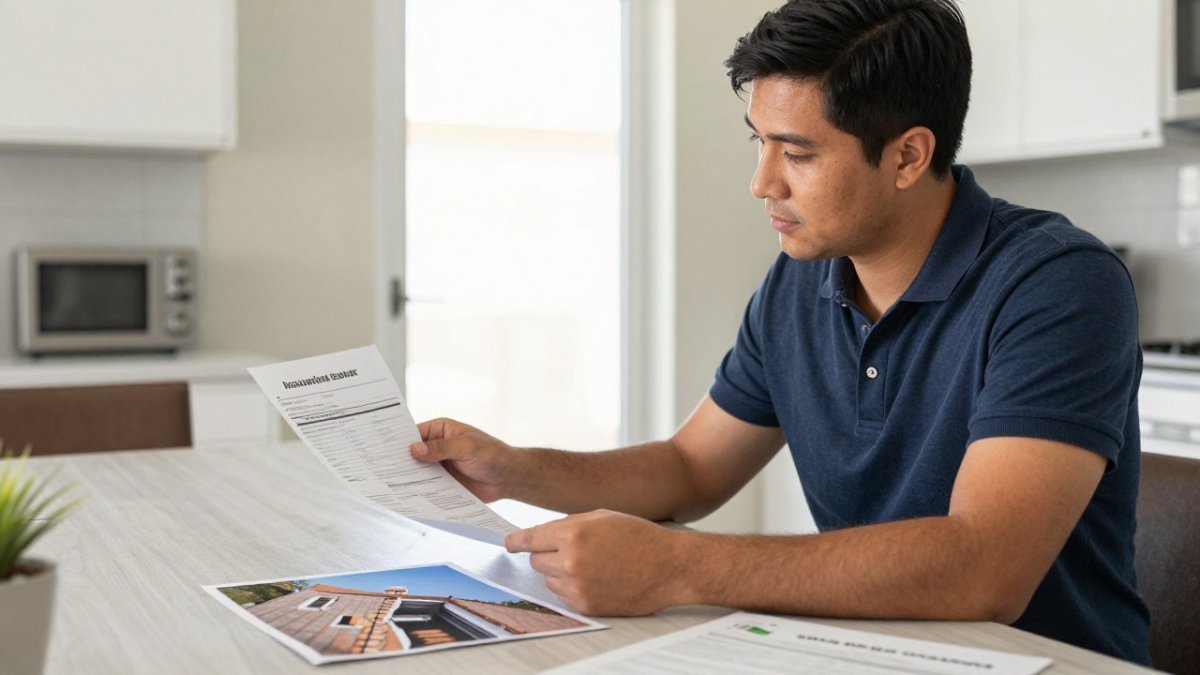
The drawbacks are real. The fee comes out of the settlement, so the owner keeps less of each dollar recovered. Some public adjusters also take time to evaluate smaller claims. United Policyholders cautions that smaller dollar losses can be as time-consuming as larger claims, which can weaken the cost-benefit math for hiring an adjuster, according to its United Policyholders guidance on claims.
Watch out: Hiring an adjuster after the claim has been settled can leave less room to recover money. Confirm the contract terms before you sign.
Public Adjuster Cost and How Fees Are Calculated
Public adjuster compensation is often contingency-based, meaning the adjuster takes a percentage of the amount the insurer pays on the claim, so the owner may pay nothing up front. The exact rate depends on the adjuster, the size of the loss and the complexity of the claim, so request the specific fee in writing.
The detail that matters most is what the percentage applies to. Confirm in writing whether the fee is calculated on the gross settlement before the deductible, on the net payment after the deductible, or only on the amount the adjuster recovers above the insurer’s original offer. Those three bases produce very different dollar amounts on the same claim. Also ask how the fee is treated if the insurer pays recoverable depreciation later, after repairs are complete, a common pattern is for the fee to apply to that later payment as well, so the total fee can exceed the number calculated at first settlement.
Here is how the math works on a hypothetical claim. If the insurer pays $50,000 and the fee is a given percentage, the owner’s net depends directly on that rate, before the deductible and any mortgage or lien obligations.
| Claim Settlement | Fee at 10% | Fee at 20% | Fee at 30% |
|---|---|---|---|
| $25,000 | $2,500 | $5,000 | $7,500 |
| $50,000 | $5,000 | $10,000 | $15,000 |
| $100,000 | $10,000 | $20,000 | $30,000 |
A second layer is the deductible. Owners should run the math on the net payment after the deductible, not the headline settlement, before deciving whether the fee is worth it.
Watch out: Some agreements add fees for appraisals, engineers, or other vendors on top of the percentage. Ask for the full fee schedule, including any add-ons, in writing before signing.
Because fees vary by adjuster and by claim, request a written fee schedule from each candidate and compare them side by side. The Nevada Division of Insurance consumer resources publishes consumer guidance that can help owners understand what a written agreement should contain.
Should You Hire a Public Adjuster for a Roof Claim?
Roof claims are a common reason owners consider outside help. Wind and hail damage can be hard to spot from the ground, and an insurer’s estimate may cover only part of the repair. A public adjuster can document the full scope of the damage, including shingles, flashing and underlying decking.
Before hiring, check the roof yourself so you know what the adjuster will find. Our guide on how to check a roof for wind damage walks through the signs to look for. If the damage is clearly limited, a single repair estimate may be enough. If the scope is large, a second professional review can justify the fee.
When Is It Too Late to Hire a Public Adjuster?
Timing matters. Most policies set deadlines for filing a claim and for providing proof of loss, and missing them can limit what you recover. Hiring an adjuster early gives them time to document the damage before repairs or cleanup change the evidence.
It is rarely too late to get help, but the window narrows as the claim moves forward. If your claim has already been settled, a public adjuster may still review the file, although their options are more limited. Our guide on how to appeal a denied renters insurance claim covers what to do when a claim has been rejected.
Verifying a Nevada Public Adjuster and Your Next Step
Nevada regulates public adjusters at the state level, and the single most useful step an owner can take is to verify the license before signing anything. Ask each candidate for their Nevada license number, then confirm it is active and in good standing through the Nevada Division of Insurance license lookup. A legitimate adjuster will provide the number without hesitation; reluctance is a warning sign.
Beyond the license, work through a short hiring sequence. First, confirm the adjuster’s experience with the type of loss you have, a Las Vegas-area monsoon wind and water claim, a flash-flood loss, a roof claim after a hail event, or a fire loss each call for different documentation skills. Second, ask for references from similar claims and actually call them. Third, read the representation agreement line by line: the fee percentage, the base the fee applies to, the scope of representation, who pays for experts and engineers, and how either party can cancel. Fourth, confirm how the adjuster will communicate and how often you will receive updates.
Watch out: Be cautious of any adjuster who asks for an upfront fee, promises a specific settlement amount before inspecting the loss, or pressures you to sign on the spot. Reputable professionals explain their terms, put them in writing, and give you time to review.
Las Vegas-area owners should also keep local claim realities in mind, since losses can be partly covered and partly excluded depending on the policy language and the facts of the loss. A public adjuster can help document the covered portion, but no adjuster can change what the policy says. Coverage always depends on the policy and the specific facts.
If you are weighing a claim now, start by documenting the damage with photos and video before any cleanup, review your policy’s deadlines for filing and proof of loss, and gather your contractor estimates. United Family Insurance can walk you through your coverage and the claims process so you know what to expect. Contact our team to talk through your situation and decide on your next step.
Frequently Asked Questions
What is the downside of using a public adjuster?
The main downside is cost. Public adjusters commonly charge a percentage of the claim settlement, and that fee is usually paid from the payout. Fees are usually paid from the payout, which lowers the amount you keep. Some owners also find that a small or simple claim does not justify the fee, since smaller losses can take nearly as much documentation work as large ones. Compare the fee against the likely increase in your settlement before signing a contract, and read the exit terms carefully.
How much does a public adjuster usually cost?
Public adjuster fees depend on the claim’s size, complexity, and how quickly the adjuster expects to settle. Ask for the fee structure in writing. Also confirm whether the fee applies to amounts already offered by the insurer or only to increases above that figure, because that distinction changes your final cost significantly.
Should I hire a public adjuster for a roof claim?
A public adjuster can be useful for a roof claim when the damage is extensive, the insurer’s estimate looks low, or the roof damage is hard to see, such as hail impact on shingles or damage hidden under flashing. For minor leaks or small repairs, the fee may outweigh the benefit. Before deciding, get your own roofing inspection and repair estimate, then compare it with the insurer’s scope. If the gap is large, a licensed public adjuster may help you document it and present a stronger claim.
How do I verify that a public adjuster is licensed in Nevada?
Ask for the adjuster’s license number and confirm it through the Nevada Division of Insurance before you sign anything. Verify that the license is current, that the person is authorized to act as a public adjuster rather than only as an insurer-employed adjuster, and that the business name on the contract matches the license. Be cautious of anyone who asks for a large upfront payment, pressures you to sign quickly, or cannot provide written terms. A legitimate adjuster will welcome these checks.
