
Last Updated: October 30, 2026
Quick Summary
To prevent heat damage exterior surfaces in Las Vegas, use lighter reflective paint, keep siding and roofing in good repair, and shade west-facing windows. Also seal gaps around windows and doors and inspect your home each spring before summer heat arrives.
- Choose lighter, reflective exterior paint, since light colors absorb less heat than dark ones.
- Apply paint in early morning or cooler parts of the day, and use two coats for even coverage.
- Use reflective cool-roof coatings on flat and low-slope roofs, after repairing cracks and loose seams.
- Block west-facing window sun with exterior shade, which is the highest-impact upgrade.
- Run a spring checklist covering paint, siding, roof, window seals, and outdoor AC airflow.
Table of Contents
- Why Las Vegas Summers Damage Home Exteriors
- Choosing Heat-Resistant Exterior Paint and Coatings
- How to Protect Siding from Sun Damage
- Roofing and Reflective Coatings for Desert Heat
- Window Coverings to Reduce Heat Gain
- Summer Home Maintenance Checklist for Las Vegas
- Planning Your Next Steps and Protecting Your Home Investment
- Frequently Asked Questions
Summer heat in Las Vegas can quietly wear down a home’s exterior, and most of the damage happens long before anyone notices. United Family Insurance has put together this step-by-step guide on how to prevent heat damage exterior issues to your home, so you can protect your investment before the next heat wave hits.
Why Las Vegas Summers Damage Home Exteriors
Extreme summer heat is hard on nearly every exterior surface. Direct sun, reflected light, and sustained high temperatures work together to dry out materials, fade finishes, and weaken seals over time.
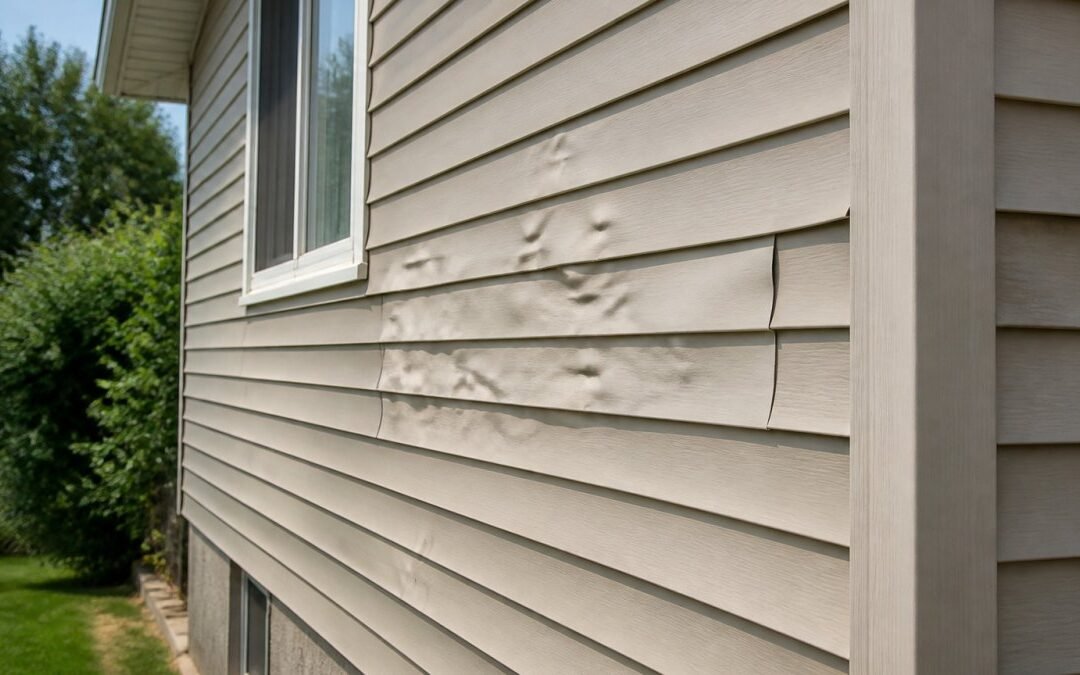
The main problem is repeated expansion and contraction. Surfaces heat up during the day and cool down at night, and that cycle can crack paint, warp siding, and loosen caulk. Many homeowners find the damage shows up gradually, which is why it often goes unnoticed until repairs get expensive. Learn what home insurance covers for heat damage before you decide which protective steps to prioritize.
Walls that face west take the worst of it. They soak up afternoon sun, so they often show problems first.
Watch out: Pressure washing a heat-stressed surface can strip paint and force water into cracks. Wait for cooler conditions and use low pressure.
Choosing Heat-Resistant Exterior Paint and Coatings
Paint is your first line of defense against heat. Look for products labeled for high-heat or sun-exposed exteriors, and choose lighter, reflective colors when you can. Light colors absorb less heat than dark ones, which lowers surface temperatures and reduces stress on the paint film.
Heat-resistant exterior paint performs best when it is applied correctly. Follow these steps:
- Clean the surface and let it dry fully.
- Repair cracks and old caulk before painting.
- Prime bare or patched areas.
- Paint in mild temperatures, early in the morning or during cooler parts of the day.
- Apply two coats for even coverage.
Painting in direct midday heat can cause the paint to dry too fast, which weakens adhesion. Check the manufacturer’s temperature range on the can before you start.
The article’s key paint and coating guidance is summarised below, so you can check the essentials before you start a project.
| Item | Value | Note |
|---|---|---|
| Paint color | Lighter, reflective | Absorbs less heat than dark colors |
| Application timing | Early morning or cooler parts of day | Avoids paint drying too fast |
| Number of coats | Two | Ensures even coverage |
| Preparation | Clean, repair cracks, prime bare areas | Done before painting |
| Temperature check | Manufacturer’s range on can | Confirm before starting |
How to Protect Siding from Sun Damage
Siding takes constant sun exposure, and it reacts differently depending on the material. Vinyl can warp, wood can dry out and split, and fiber cement can fade. Identify what you have, then respond to it.
Use these simple protection steps:
- Rinse siding periodically to remove dust and grime that trap heat.
- Trim plants and trees that shade the house unevenly, which can cause uneven expansion.
- Check for fading and chalky surfaces, which signal the protective finish is breaking down.
- Reseal wood siding every few years to keep moisture and sun from getting in.
Roofing and Reflective Coatings for Desert Heat
Your roof takes the most direct solar load of any exterior surface, and in Las Vegas the combination of intense ultraviolet (UV) exposure and 100°F-plus summer afternoons pushes roof surface temperatures far above air temperature, which is a major source of heat damage exterior roofing materials can’t easily withstand. That heat drives two problems at once: it breaks down roofing materials faster, and it radiates into the attic, where it raises cooling costs and stresses the air conditioner.
Match the roofing material to desert conditions
Not every roof performs the same way under sustained heat. A few common patterns:
- Asphalt shingles: Affordable and common, but prolonged UV exposure makes them brittle and can cause granule loss, curling, and cracking. Lighter-colored shingles stay cooler than dark ones.
- Tile (clay or concrete): Heavy and long-lived, and tile roofs naturally create an air gap that helps reduce heat transfer. Cracked or slipped tiles, however, expose the underlayment to sun and water.
- Metal roofing: Reflects solar radiation well when finished with a reflective or cool-roof coating, and it sheds heat faster than shingles. Fastener and seam condition matter more than the panels themselves.
- Foam and flat roofs: Common on additions and low-slope sections, and the most compatible with reflective roof coatings.
Reflective roof coatings: what they do and when they help
A reflective roof coating, often called a cool-roof coating, is a white or light-colored elastomeric or acrylic product applied over a compatible roof surface. It works by reflecting more of the sun’s energy instead of absorbing it, which lowers surface temperature and reduces the heat moving into the attic. The effect is strongest on flat and low-slope roofs and on roofs that already have a coating-friendly surface.
Before applying any coating:
- Confirm the coating is compatible with your roof material, manufacturers publish approved substrates.
- Clean the roof thoroughly; dust and grime block adhesion.
- Repair cracks, blisters, and loose seams first, because a coating will not fix a failing roof.
- Apply during mild temperatures and avoid applying in direct midday heat, when the coating can skin over before it bonds.
- Recoat on the manufacturer’s recommended schedule, coatings degrade under UV just like paint.
Inspect for heat-related failure signs
Walk the roof (or have it inspected) each spring and again after the first sustained heat wave. Follow this step-by-step roof wind damage inspection guide to spot problems early. Look for:
- Curling, cracking, or missing shingles
- Cracked or slipped tiles and exposed underlayment
- Lifted seams, loose fasteners, or rust on metal panels
- Worn or separated flashing around vents, chimneys, and skylights
- Blistering or peeling on coated flat roofs
Pair any coating or roofing upgrade with attic ventilation. A reflective surface that traps heat in an unvented attic delivers only part of its potential benefit.
If your roof is more than 15-20 years old, get a professional assessment before investing in a coating. Coating a roof that is already near the end of its service life is usually money spent twice.
Window Coverings to Reduce Heat Gain
Windows are the weakest point in most home exteriors when it comes to heat. Glass lets solar radiation pass into the room, and older single-pane or clear double-pane windows in Las Vegas can turn a west- or south-facing room into a heat trap by mid-afternoon. The fix is to stop heat before it reaches the glass whenever possible, then seal the openings so cooled air stays inside.
Work from the outside in
The most effective order of defense:
- Exterior shade. Awnings, pergolas, shade sails, and deep roof overhangs block sun before it hits the glass. On west-facing windows, exterior shade is the single highest-impact upgrade because it addresses the afternoon sun that drives peak cooling demand.
- Solar-control window film. A professionally applied or quality DIY film rejects a meaningful share of solar heat and UV while preserving visible light. Films vary widely in performance, check the manufacturer’s solar heat gain coefficient (SHGC) and visible light transmittance (VLT) ratings, and confirm the film is warranted for your window type.
- Exterior shutters and screens. Operable shutters and solar screens add a physical barrier and can be closed during peak afternoon sun.
- Interior blinds and curtains. Cellular shades, thermal-lined curtains, and light-colored blinds help, but they work after heat has already crossed the glass, so treat them as a supplement rather than the primary defense.
Seal the openings
Shading reduces radiant heat; air sealing reduces the hot air that leaks in around windows and doors.
- Weatherstripping: Worn or compressed weatherstripping around windows and doors lets hot outside air in and cooled air out. Replacing it is one of the lowest-cost summer efficiency fixes.
- Caulk and sealant: Check exterior caulk lines around window and door frames each spring. Use this guide to sealing windows for dust storms to walk through weatherstripping, caulk, and interior storm inserts. Heat and UV dry out and crack sealant, and small gaps let both air and moisture in.
- Door sweeps and thresholds: Gaps at the bottom of exterior doors are easy to overlook and easy to fix.
- Insulation and framing: If you are replacing windows, look for low-E glass and frames rated for hot climates. If you are not replacing them, insulating the wall cavities around windows and sealing gaps behind trim can reduce heat movement.
Check performance after the first heat wave
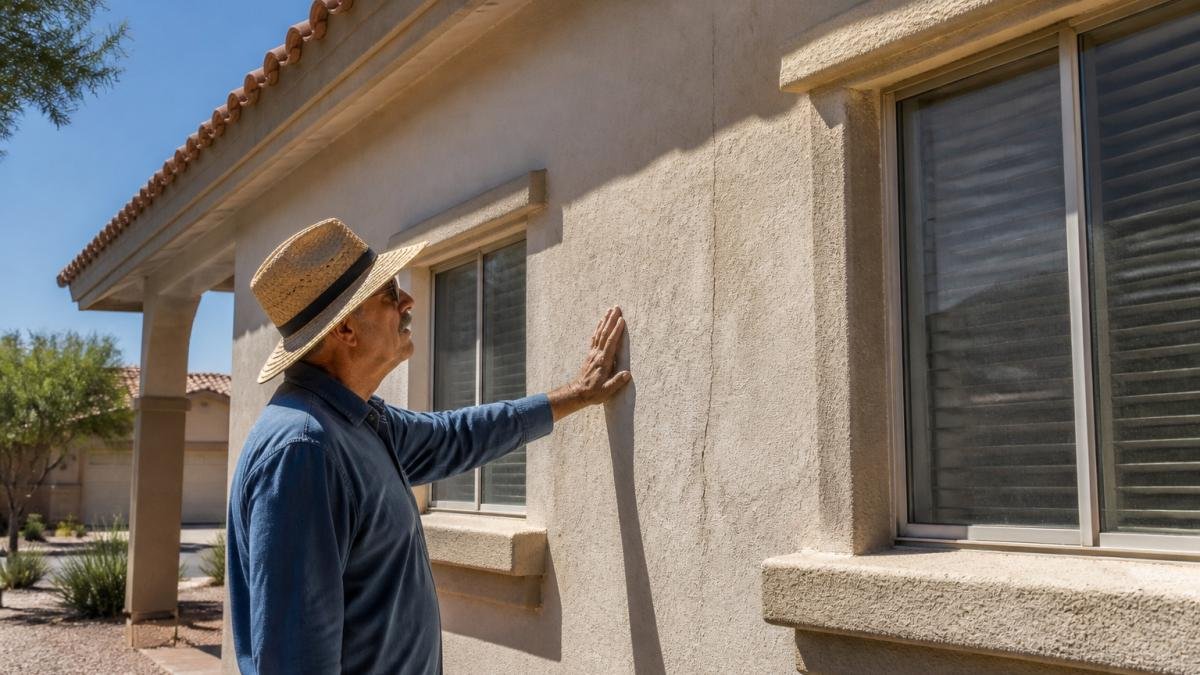
A simple test: on a hot afternoon, feel the glass and the frame on your west-facing windows. Warm glass is normal; hot glass plus a noticeable draft or warm frame usually means the window, seal, or film needs attention. Note which rooms heat up fastest and prioritize shade and film there first.
Do not apply window film to double-pane windows unless the film manufacturer explicitly approves it for that glass type.
Summer Home Maintenance Checklist for Las Vegas
Use this checklist each spring before temperatures climb:
- Inspect paint for cracks, blistering, or fading
- Check siding for warping, gaps, or loose sections
- Look over roof shingles and flashing
- Test window seals and weatherstripping
- Clean exterior surfaces and gutters
- Trim plants that touch the house
- Check outdoor AC units for debris and airflow blockage
Keeping a simple log of what you inspected and when makes it easier to spot changes from year to year. For help choosing coverage, read our Allstate vs Farmers home coverage comparison for Las Vegas.
Planning Your Next Steps and Protecting Your Home Investment
Start with the checklist above, then fix the most urgent problems first. Repairs to paint, sealants, and roof flashing are usually inexpensive when caught early. Waiting often turns a small fix into a larger one.
Home insurance may also play a role in protecting your home. Coverage for heat-related damage varies by policy, so review your coverage with an agent. United Family Insurance agents can help you understand what your policy includes. Visit the United Family Insurance website for current pricing or a quote.
Frequently Asked Questions
How can I protect my home’s exterior from extreme heat?
Start with the west and south-facing walls, which take the most direct sun in Las Vegas. Use heat-resistant exterior paint with a high solar reflectance rating, add shade from trees, awnings or shade structures, and keep window coverings closed during the afternoon. Check caulk and seals before summer, since heat accelerates their breakdown. Repairing these weak points first usually delivers the biggest return for the least money.
Can extreme heat damage siding, paint, or window seals?
Yes. Repeated expansion and contraction from desert temperatures can cause paint to chalk and blister, vinyl siding to warp, and window seals to crack or lose adhesion. Look for hairline cracks, peeling paint, gaps around frames and soft or discolored trim. Catching these early keeps a minor repair from becoming a larger replacement project.
Does homeowners insurance cover heat damage to a home’s exterior?
Coverage depends on your policy and the cause of the damage. Sun and heat wear over time, such as fading or gradual paint failure, is usually considered maintenance and is often excluded. Sudden damage from a covered event may be included. Review your policy or speak with a United Family Insurance agent to confirm what your coverage includes before you file a claim.
How often should I inspect my home’s exterior during summer?
Inspect the exterior at the start of summer, again in midsummer and once more before cooler weather arrives. Walk the perimeter and look at paint, siding, caulk, roof edges, door thresholds and window frames. Quick monthly checks during peak heat help you spot problems early, when fixes are simpler and less expensive.
