
Table of Contents
- Does Home Insurance Cover Heat Damage?
- What Homeowners Insurance Covers: Covered Perils Explained
- HVAC System Damage and Heat-Related Mechanical Breakdown
- Heat Wave vs. Fire Damage: Understanding the Difference
- Policy Exclusions: When Heat Damage Is Not Covered
- Filing a Home Insurance Claim for Heat Damage
- Home Insurance vs. Home Warranty: Which Covers Heat Damage?
- Subsidence and Heat-Related Ground Damage Coverage
Last Updated: July 5, 2026
Does Home Insurance Cover Heat Damage?
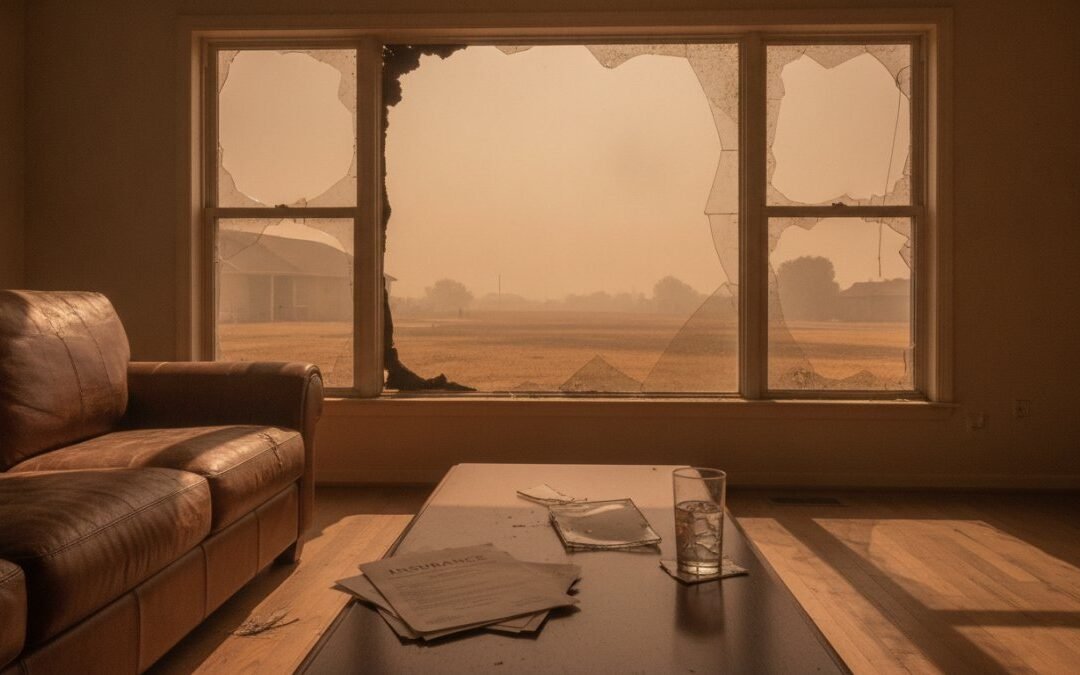
Whether home insurance covers heat damage depends entirely on how the damage occurred. Most homeowners assume their standard policy protects them from any heat-related damage, but the reality is more complex. Homeowners insurance distinguishes between sudden, accidental damage and gradual wear and tear, this distinction determines whether your claim will be approved or rejected.
Sudden and Accidental vs. Wear and Tear
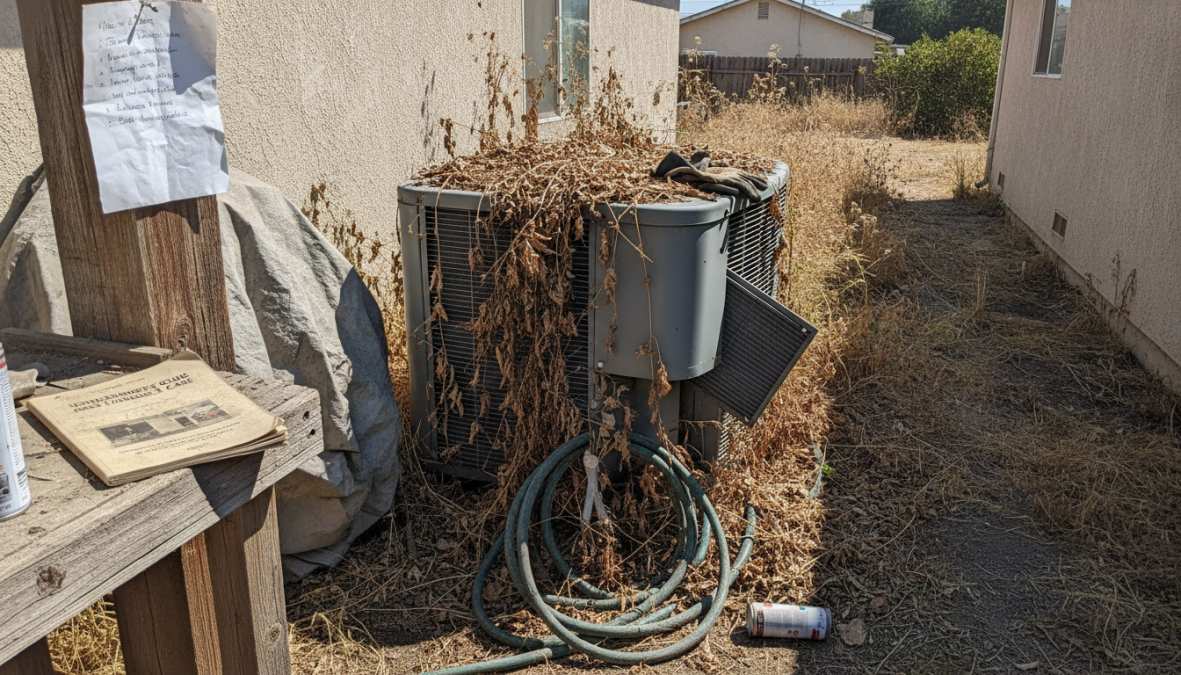
Your homeowners insurance covers sudden and accidental damage that happens unexpectedly. Wear and tear, gradual deterioration from normal use or aging, is not covered. Heat damage from a sudden event like a wildfire or electrical failure is typically covered. However, damage from gradual exposure to extreme temperatures or failure to maintain your HVAC system is generally denied.
For example, if your air conditioning unit fails during a heat wave and causes interior damage, the claim might be denied because the failure resulted from lack of maintenance rather than a sudden accident. This distinction matters enormously in Las Vegas, where ambient heat can reach dangerous levels.
Keep detailed maintenance records for all HVAC equipment. Document every service call, filter replacement, and professional inspection. These records become critical evidence if you need to prove that damage resulted from a sudden event rather than neglect.
What Homeowners Insurance Covers: Covered Perils Explained
Your homeowners insurance policy includes a list of covered perils, specific events that trigger coverage. Most standard policies include fire, lightning, theft, vandalism, and wind damage. Understanding which perils your policy covers is essential to determining whether heat-related damage qualifies.
Fire and smoke damage are among the most common covered perils. If heat damage results from a fire, whether caused by wildfire or electrical failure, your policy will typically cover it. Structural damage caused by extreme heat from a nearby wildfire, such as warped roofing or siding, is usually covered. However, roof deterioration from years of sun exposure would be considered wear and tear and would not be covered.
Lightning damage is another important covered peril. If lightning strikes your home and causes a fire or electrical damage resulting in heat-related damage, your policy will cover it.
Do not assume heat damage is automatically covered. Review your specific policy documents to see which perils are listed. Many policies have exclusions for heat damage during power outages or equipment failures. Check your policy’s exclusions section carefully.
Fire and Wildfire Damage
In Las Vegas and throughout Nevada, wildfire damage represents one of the most significant heat-related threats to homes. Most homeowners insurance policies cover damage caused by wildfires, making this one of the clearest areas of coverage for heat damage.
When a wildfire damages your home, the resulting heat damage, burned siding, melted gutters, warped roof materials, and interior smoke damage, is typically covered under your policy’s fire damage coverage. However, your policy includes a coverage limit for dwelling damage, which caps the amount the insurance company will pay. If wildfire damage exceeds your coverage limit, you are responsible for the difference. This is why many homeowners in high-risk areas choose to increase their dwelling coverage limits.
Smoke Damage from Heat Events
Smoke damage frequently accompanies heat-related fires and wildfires. When smoke damage results from a covered peril like fire or wildfire, your homeowners insurance will typically cover cleanup and restoration, including professional smoke removal and structural repairs.
However, smoke damage from a non-covered event will not be covered. For example, if your furnace malfunctions and produces smoke but does not ignite a fire, the resulting smoke damage might not be covered. Smoke damage can be particularly costly because it often requires professional restoration services to penetrate deep into walls, HVAC ducts, and insulation.
HVAC System Damage and Heat-Related Mechanical Breakdown
One of the most common questions homeowners ask is whether their insurance covers HVAC system damage caused by extreme heat. The answer is almost always no.
Homeowners insurance does not cover mechanical breakdown or failure of HVAC systems, even when caused by extreme heat. This is because mechanical breakdown is considered a maintenance issue, not a sudden, accidental event. Your air conditioning unit failing during a heat wave is not covered, even though heat triggered the failure. Homeowners are expected to maintain their HVAC systems through regular servicing, filter replacement, and professional inspections.
However, if your HVAC system is damaged by a covered peril, such as fire, lightning strike, or falling tree, the damage would be covered.
When Furnace Replacement Is Covered
Furnace replacement is covered only if your furnace is damaged by fire, lightning, or another covered peril. If your furnace simply stops working due to age, wear and tear, or lack of maintenance, replacement is not covered. This is where home warranty coverage becomes valuable, home warranties specifically cover mechanical breakdown and equipment failure that homeowners insurance excludes.
Impact of Improper Installation on Claims
Improper installation of HVAC equipment can result in claim denial. If an insurance company determines that damage resulted from improper installation, they may deny your claim entirely. Hire licensed, qualified professionals for all HVAC installation and maintenance, and keep receipts and documentation showing that all work was performed to code.
Heat Wave vs. Fire Damage: Understanding the Difference
The distinction between heat wave damage and fire damage is critical for insurance coverage. Heat wave damage, warped siding, melted gutters, damaged HVAC equipment, results from gradual exposure to extreme temperatures and is not covered. Fire damage is typically covered because fire is a sudden, accidental peril.
Even if fire was triggered by extreme heat, such as a wildfire, the fire itself is the covered peril, not the heat. A homeowner cannot claim coverage for damage caused by heat itself, only for damage caused by fire or other covered perils.
Heat exposure alone is not a covered peril. Your homeowners insurance covers damage from fire, wildfire, lightning, and other specific events, but not from gradual exposure to extreme temperatures. If you want protection from heat wave damage, you need a home warranty plan, not homeowners insurance.
Policy Exclusions: When Heat Damage Is Not Covered
Every homeowners insurance policy includes exclusions, specific events or types of damage that are not covered. The most common exclusion related to heat damage is for gradual damage or wear and tear. If your policy excludes coverage for damage caused by gradual temperature changes or lack of maintenance, heat damage from these causes will not be covered.
Many policies also exclude coverage for damage caused by power outages or utility failures. Some policies exclude coverage for HVAC system damage entirely, treating all HVAC damage as maintenance rather than covered peril damage.
Ambient Heat and Gradual Temperature Changes
Ambient heat is almost never covered by homeowners insurance. If your home suffers damage purely from exposure to extreme ambient temperatures without involvement of fire or another covered peril, your claim will be denied. Gradual temperature changes that cause materials to expand, contract, warp, or crack are also not covered. However, if heat causes a sudden failure, such as a pipe bursting, the damage might be covered.
Filing a Home Insurance Claim for Heat Damage
If you experience heat damage that you believe is covered, review your policy to confirm the damage falls under a covered peril. Contact your insurance agent or claims department to report the damage. Be prepared to describe the damage in detail, including when you first noticed it and what caused it.
Documentation Requirements and Maintenance Records
Documentation is critical to a successful claim. Photograph all damage from multiple angles. Keep all receipts and invoices related to repairs. Maintenance records are equally important, if you can demonstrate regular HVAC servicing, you strengthen your position if the insurance company questions whether damage resulted from lack of maintenance.
Working with an Insurance Adjuster
When the insurance company assigns a claims adjuster, cooperation and clear communication are essential. Be honest and thorough when speaking with the adjuster. Provide all documentation of maintenance and damage. If the adjuster recommends denial, you have the right to appeal or request a second opinion.
Home Insurance vs. Home Warranty: Which Covers Heat Damage?
Homeowners insurance covers sudden, accidental damage to your home’s structure and belongings, but not mechanical breakdown or equipment failure. Home warranty coverage specifically covers mechanical breakdown and equipment failure, including HVAC system failures.
If your furnace or air conditioning unit fails due to heat exposure or mechanical breakdown, homeowners insurance will not cover it, but a home warranty plan will. For heat damage protection in Las Vegas, many homeowners maintain both policies. The homeowners insurance covers sudden damage from covered perils like fire, while the home warranty covers mechanical equipment failure. Home warranty plans typically cost $400-600 per year in Nevada.
| Coverage Type | Covers Fire Damage | Covers HVAC Failure | Covers Gradual Heat Damage | Best For |
|---|---|---|---|---|
| Homeowners Insurance | Yes | No | No | Sudden, accidental damage from covered perils |
| Home Warranty | No | Yes | No | Mechanical breakdown and equipment failure |
| Combined Coverage | Yes | Yes | No | Comprehensive protection against heat damage |
Subsidence and Heat-Related Ground Damage Coverage
Subsidence, the sinking or shifting of ground beneath your home, can result from extreme heat exposure, particularly in areas with clay soil. Most standard homeowners insurance policies exclude subsidence coverage because it is often a gradual process, not a sudden, accidental event. However, some policies offer subsidence coverage as an optional endorsement at additional cost.
Heat can contribute to subsidence by causing soil to expand and contract. If this causes your foundation to crack or shift, the resulting damage might not be covered unless you have specifically purchased subsidence coverage. If you live in an area with clay soil or have experienced foundation issues, consider adding subsidence coverage to your policy.
Does home insurance cover heat damage? The answer depends on the specific circumstances and cause of the damage. Sudden, accidental damage from covered perils like fire and wildfire is typically covered, but gradual heat exposure and mechanical equipment failure are not. At United Family Insurance, our expert agents can review your specific policy and help you understand exactly what heat damage coverage you have. We also help homeowners in Las Vegas find the right combination of homeowners insurance and home warranty coverage to ensure comprehensive protection against heat-related risks. Get a quote today and discover how much you can save while securing the coverage your home needs.
Frequently Asked Questions
Does homeowners insurance cover heat damage from extreme temperatures?
Standard homeowners insurance covers sudden and accidental heat damage caused by covered perils, like fire or wildfire, but typically excludes gradual heat damage from ambient heat or heatwaves. Coverage depends on the cause of the damage and your specific policy exclusions. Review your policy or contact your insurance agent to verify what heat-related scenarios your plan covers.
Will my home insurance cover HVAC system damage from heat?
Most standard homeowners policies do not cover mechanical breakdown or gradual failure of HVAC systems due to heat stress. However, if your furnace is damaged by a covered peril, such as a fire, replacement costs may be covered. Home warranty plans, separate from homeowners insurance, often cover mechanical failures. Check your policy limits and consider whether a home warranty would benefit your situation.
Is subsidence caused by extreme heat covered by home insurance?
Home insurance subsidence cover is typically excluded from standard policies. Subsidence, ground movement or settling, caused by heat-related soil changes is usually not covered under homeowners insurance. You may need specialized coverage or a separate subsidence policy rider. Contact your insurance agent to discuss whether your property is at risk and what additional coverage options exist.
What documentation do I need when filing a home insurance claim for heat damage?
When filing a home insurance claim for heat damage, gather maintenance records, photos of the damage, receipts for repairs or replacement, and a timeline of when the damage occurred. Document any evidence that the damage was sudden and accidental rather than gradual wear and tear. Your insurance adjuster will review this documentation to determine coverage. Keep detailed records of all communications with your insurer.