

Table of Contents
- What Is a Business Owner Policy Explained
- Business Owner Policy vs General Liability: Key Differences
- BOP Insurance Coverage Examples: What’s Actually Protected
- How Much Does a Business Owner Policy Cost
- Personal Asset Protection: Why a BOP Matters Beyond Legal Requirements
- BOP Insurance for Side Hustles & Freelancers
- What a Business Owner Policy Does Not Cover
- Getting a Business Owner Policy: Next Steps
Last Updated: June 30, 2026
What Is a Business Owner Policy Explained
A business owner policy, or BOP, is a bundled insurance package combining general liability, property coverage, and business interruption protection into a single, affordable plan. Without proper coverage, a single lawsuit, property damage incident, or employee injury can expose your personal assets to seizure. A BOP addresses this gap by combining the three most critical coverage types businesses need.
Below, we’ll walk you through exactly what’s covered, who needs a BOP, how much you should expect to pay, and the specific gaps where additional coverage becomes necessary.
Core Coverage Components
A BOP typically bundles three distinct coverage types.
General Liability Insurance protects you if a customer or third party is injured on your premises or harmed by your products or services. This covers medical expenses, legal defense costs, and settlements up to your policy limit.
Property Coverage protects your physical assets: your building, equipment, inventory, furniture, and fixtures. If a fire damages your office or a break-in destroys your equipment, property coverage reimburses you for the loss.
Business Interruption Insurance covers lost income if you can’t operate due to a covered disaster. If a fire forces you to close for three months, this coverage replaces the income you would have earned during that shutdown period, including operating expenses like rent and payroll.
Some BOPs also include coverage for crime, cyber liability, and professional liability depending on your industry and the insurer.
Who Needs a BOP
The ideal candidate is a small to mid-sized business with physical assets, employees, and customer interaction. Retail stores, restaurants, professional service firms, contractors, and manufacturers all face liability exposure that a BOP addresses.
Sole proprietors and freelancers working from home sometimes skip a BOP, believing their homeowner’s or renter’s insurance covers business activities. This is a critical mistake. Most personal policies specifically exclude business-related claims.
If you have any of these characteristics, a BOP is worth serious consideration: employees, customers visiting your location, products or services sold to others, leased equipment or space, or contracts requiring you to carry insurance.
Business Owner Policy vs General Liability: Key Differences
General liability insurance is a single coverage type protecting against bodily injury and property damage claims. A BOP is a package that includes general liability plus property coverage and business interruption protection.
Coverage Scope Comparison
General liability covers third-party bodily injury and property damage claims. What it does NOT cover: your own property damage, lost income if you can’t operate, employee injuries, or professional mistakes.
A BOP fills these gaps. It includes general liability but adds property protection for your own assets and business interruption coverage for lost revenue. If a fire destroys your office, general liability alone leaves you paying for rebuilding and lost income out of pocket. A BOP covers both.
When Each Type Makes Sense
General liability alone makes sense only in narrow situations: a freelancer with no physical office, no employees, and no products. Even then, many clients now require contractors to carry insurance.
A BOP makes sense for most small businesses because it bundles coverage at a lower total cost than buying policies separately. The bundling creates economies of scale that reduce your overall premium.
| Coverage Type | General Liability Only | Business Owner Policy |
|---|---|---|
| Bodily injury claims | Yes | Yes |
| Third-party property damage | Yes | Yes |
| Your own property damage | No | Yes |
| Lost income (business interruption) | No | Yes |
| Crime/employee theft | No | Optional add-on |
| Typical cost for small business | $500-$1,200/year | $600-$1,500/year |
BOP Insurance Coverage Examples: What’s Actually Protected
Scenario 1: Customer Injury on Premises
A customer at your retail store slips and breaks their wrist. They sue for medical expenses ($8,000), pain and suffering ($15,000), and lost wages ($3,000). Your BOP’s general liability covers all of it, including legal defense costs. Without coverage, you’d pay $26,000 out of pocket.
Scenario 2: Property Damage from Fire
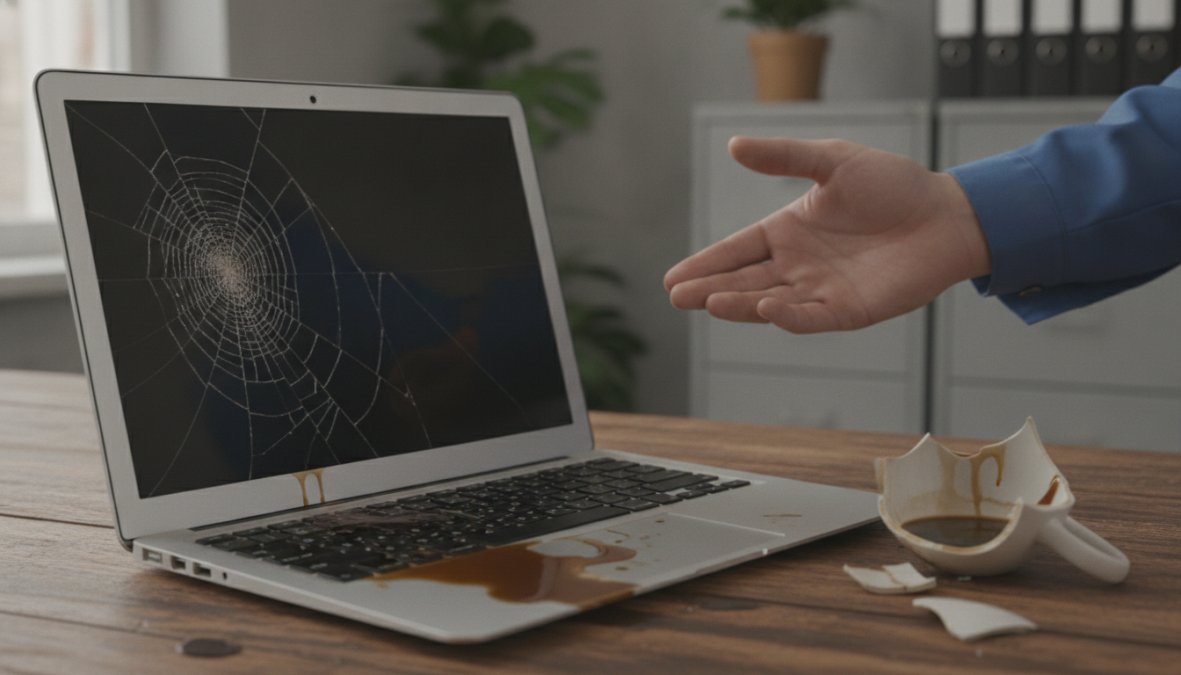
A kitchen fire damages your restaurant’s equipment and buildout. Replacement cost: $120,000. Your BOP’s property coverage reimburses you. Additionally, business interruption coverage pays your ongoing operating expenses while you’re closed for repairs, preventing total business collapse.
(/does-homeowners-insurance-cover-business/)age Examples: What’s Actually Protected]
General Liability Claims Scenarios
A contractor accidentally damages a client’s property while working on their home. The client demands $12,000 in repairs. General liability covers it. A salon customer has an allergic reaction to a product and requires emergency medical care. General liability covers medical expenses and any lawsuit.
The key insight: general liability protects you from the financial catastrophe of defending yourself in court. Legal fees alone can reach $10,000-$50,000 even if you win the case.
Property Damage & Business Interruption
A warehouse experiences a theft resulting in $85,000 in stolen goods. Property coverage reimburses you. A manufacturing facility experiences an electrical fire forcing a two-month shutdown. Business interruption coverage pays your fixed costs during those two months: payroll ($30,000), rent ($8,000), utilities ($2,000), totaling $40,000 that would otherwise come from your personal funds.
How Much Does a Business Owner Policy Cost
BOP pricing varies based on business type, location, revenue, and claims history.
Pricing Factors & Premium Ranges
Business type matters significantly. A retail store with high customer traffic pays more than an office-based consulting firm. Location affects pricing; businesses in high-crime areas pay higher premiums. Your claims history matters most. A business with no prior claims pays less than one with incidents.
Most small businesses can expect BOP premiums between $600 and $2,000 annually. A retail business might pay $1,200-$1,800. A professional service firm might pay $800-$1,200. A restaurant could pay $1,500-$2,500 due to higher risk exposure.
Ways to Reduce Your BOP Premium
Most insurers offer discounts for:
- Claims-free history: No claims in 3-5 years can reduce your premium by 10-15%
- Loss control measures: Installing security cameras or fire suppression systems can lower rates by 5-10%
- Bundling: Combining your BOP with auto or other policies often yields 10-20% savings
- Higher deductibles: Choosing a $1,000 deductible instead of $500 can reduce your annual premium by 10-15%
- Industry certifications: OSHA training or safety certifications can qualify you for discounts
A common strategy: increase your deductible to $1,000 or $2,500 if you have cash reserves to cover it. This reduces your annual cost significantly while keeping catastrophic coverage in place.
Personal Asset Protection: Why a BOP Matters Beyond Legal Requirements
Operating a business without insurance creates a legal vulnerability called piercing the corporate veil. Even if you’ve incorporated your business as an LLC or corporation, this legal structure only protects your personal assets if you maintain proper separation between business and personal finances.
When a major liability claim occurs, a plaintiff’s attorney can argue that you failed to maintain adequate insurance, demonstrating negligence in protecting the business itself. A judge may then allow the plaintiff to pursue your personal assets: your home, your savings, your retirement accounts.
Understanding the Corporate Veil
The corporate veil is the legal separation between your personal finances and your business finances. Courts will pierce the veil if they find that you operated the business recklessly without proper insurance.
A BOP strengthens your veil by demonstrating you took reasonable steps to manage risk. It shows you understood the business faced liability exposure and acted responsibly to address it.
Real example: A contractor operates as an LLC but carries no liability insurance. A customer is injured at a job site and sues for $300,000. The plaintiff’s attorney argues the contractor was negligent in operating without insurance. The court pierces the veil and allows the plaintiff to seize the contractor’s personal home and savings. With a BOP in place, the insurance covers the claim and the contractor’s personal assets remain protected.
Out-of-Pocket Expenses Without Coverage
Without a BOP, a single significant claim can bankrupt you personally. A restaurant owner faces a food poisoning lawsuit totaling $75,000. Without coverage, the owner pays from personal funds or faces bankruptcy and home foreclosure.
A BOP costs $600-$2,000 annually. A single claim without coverage can cost $100,000-$1,000,000 in personal liability. The math is straightforward.
BOP Insurance for Side Hustles & Freelancers
If you operate a side business, freelance writing, consulting, design, coaching, you likely assume you’re not at risk. Many side hustlers operate under the belief that they’re just an individual contractor, not a "real business," so insurance isn’t necessary. Simultaneously, they often have a personal homeowner’s or renter’s insurance policy that explicitly excludes business activities. They’re operating in a coverage gap.
Coverage Gaps for Independent Contractors
A freelance graphic designer creates a logo for a client. The client later discovers the designer used a copyrighted image without permission. The client is sued by the copyright holder and demands $50,000 from the designer for negligence. The designer’s homeowner’s insurance won’t cover it; business liability is excluded.
A virtual assistant manages a client’s email and accidentally sends confidential information to a competitor. The client’s business loses $100,000 in competitive advantage. They sue the assistant for negligence. Again, homeowner’s insurance won’t cover it.
Affordable Options for Small Operations
A solo freelancer doesn’t need a full BOP. A basic business liability policy for a freelancer costs $300-$600 annually. This is far cheaper than a full BOP because there’s no property coverage or business interruption component.
For side hustles specifically, consider:
- Business liability only: Covers third-party bodily injury and property damage claims. Cost: $300-$600/year
- Professional liability: Covers claims of negligence in your professional services. Cost: $400-$800/year
- Bundled small business policy: If your side hustle is growing, a BOP costs only $100-$300 more annually than liability alone
Getting coverage early costs less and protects you from day one.
What a Business Owner Policy Does Not Cover
Understanding what’s excluded is as important as understanding what’s included.
Common Exclusions & Limitations
A BOP does not cover employee injuries. That’s workers’ compensation insurance, a separate policy required by law in most states when you have employees.
A BOP does not cover professional errors or negligence in your specific trade. A contractor who does poor-quality work may not be covered if the damage resulted from negligence in the work itself. Professional liability insurance covers this.
A BOP does not cover intentional acts or criminal behavior. If you intentionally defraud a customer, insurance won’t cover it.
A BOP does not cover pollution or environmental damage. Environmental liability requires a separate policy.
A BOP does not cover cyber liability or data breaches. Cyber liability is an add-on.
A BOP does not cover vehicle-related incidents. Commercial auto insurance is required for company vehicles.
When You Need Additional Coverage
If you have employees, you need workers’ compensation insurance in addition to your BOP. In Nevada, this is required by law.
If you provide professional services, you need professional liability insurance.
If you operate a vehicle for business, you need commercial auto insurance.
If you handle sensitive customer data, you need cyber liability insurance.
If your business involves hazardous materials, you need pollution liability insurance.
A BOP is a foundation, not a complete solution. Your specific industry and operations may require additional policies.
Getting a Business Owner Policy: Next Steps
Assessing Your Coverage Needs
Start by listing your specific risks. What could go wrong in your business? Who could be injured? What property do you own?
Document your business details: number of employees, annual revenue, years in business, claims history, location, and specific operations.
Determine your desired coverage limits. Most small businesses choose $1 million in general liability coverage. Some choose $2 million. Higher limits cost more but provide better protection.
Decide on your deductible. A higher deductible ($1,000-$2,500) reduces your premium. A lower deductible ($250-$500) increases your premium but means you pay less out of pocket when a claim occurs.
Comparing Quotes & Selecting a Policy
Get quotes from at least three insurers. Don’t just compare price; compare coverage details. A cheaper policy might exclude important coverage you need.
When comparing quotes, ensure you’re comparing the same coverage limits and deductibles across all three.
Ask about discounts. Are there bundling discounts? Claims-free discounts? Safety certification discounts?
Review the policy document before committing. Read the exclusions section carefully. If something is unclear, ask your agent to explain it.
Once you’ve selected a policy, set a calendar reminder to review it annually. Your business changes, and your coverage needs may change too.
Operating a business without proper insurance is like driving without a seatbelt, you might be fine, until you’re not. A business owner policy explained is fundamentally about protecting both your business and your personal assets from the financial devastation of a single claim. United Family Insurance helps business owners find affordable, comprehensive coverage that actually fits their needs. Get started today and secure the peace of mind that comes with knowing your business and personal assets are protected.
Frequently Asked Questions
What exactly is covered under a business owner policy?
A business owner policy (BOP) bundles general liability insurance, property damage coverage, and business interruption protection into one package. General liability covers bodily injury and third-party claims, property damage covers your physical assets and equipment, and business interruption reimburses lost income if you must temporarily close due to a covered loss. Coverage limits vary by policy, so reviewing your specific limits is essential for adequate protection.
What is the difference between a BOP and general liability insurance?
General liability insurance covers only third-party bodily injury and property damage claims. A business owner policy is broader, it combines general liability with property coverage, business interruption, and additional protections. BOPs are typically more affordable than purchasing these coverages separately and offer more comprehensive risk management for small to mid-sized businesses than general liability alone.
Is a business owner policy mandatory or just recommended?
A BOP is not legally required in most cases, but many commercial contracts, landlords, and lenders require proof of general liability insurance as a condition of doing business. While not a criminal offense to operate uninsured, the financial vulnerability is significant, out-of-pocket expenses from lawsuits, settlements, and property damage can devastate personal assets. Voluntary coverage protects your business and personal wealth from unexpected liability exposure.
How much does a business owner policy cost on average?
BOP costs vary widely based on industry, business size, revenue, location, and claims history. Small businesses typically pay $400-$1,500 annually, while larger operations may pay more. Factors affecting premiums include coverage limits, deductibles, employee count, and risk assessment. Many insurers offer discounts for bundling policies, maintaining safety records, or implementing risk management practices, potentially saving you up to 58% on coverage.